Who this guide is for
Professionals using their calendar to defend personal time, reduce burnout, and set healthier boundaries.
Use this guide when
Calendar boundaries matter most when your schedule keeps drifting toward work by default. This guide is for people who want their calendar to reflect real priorities instead of becoming a public map of every minute that coworkers can take over.
Your Calendar Reflects Your Values
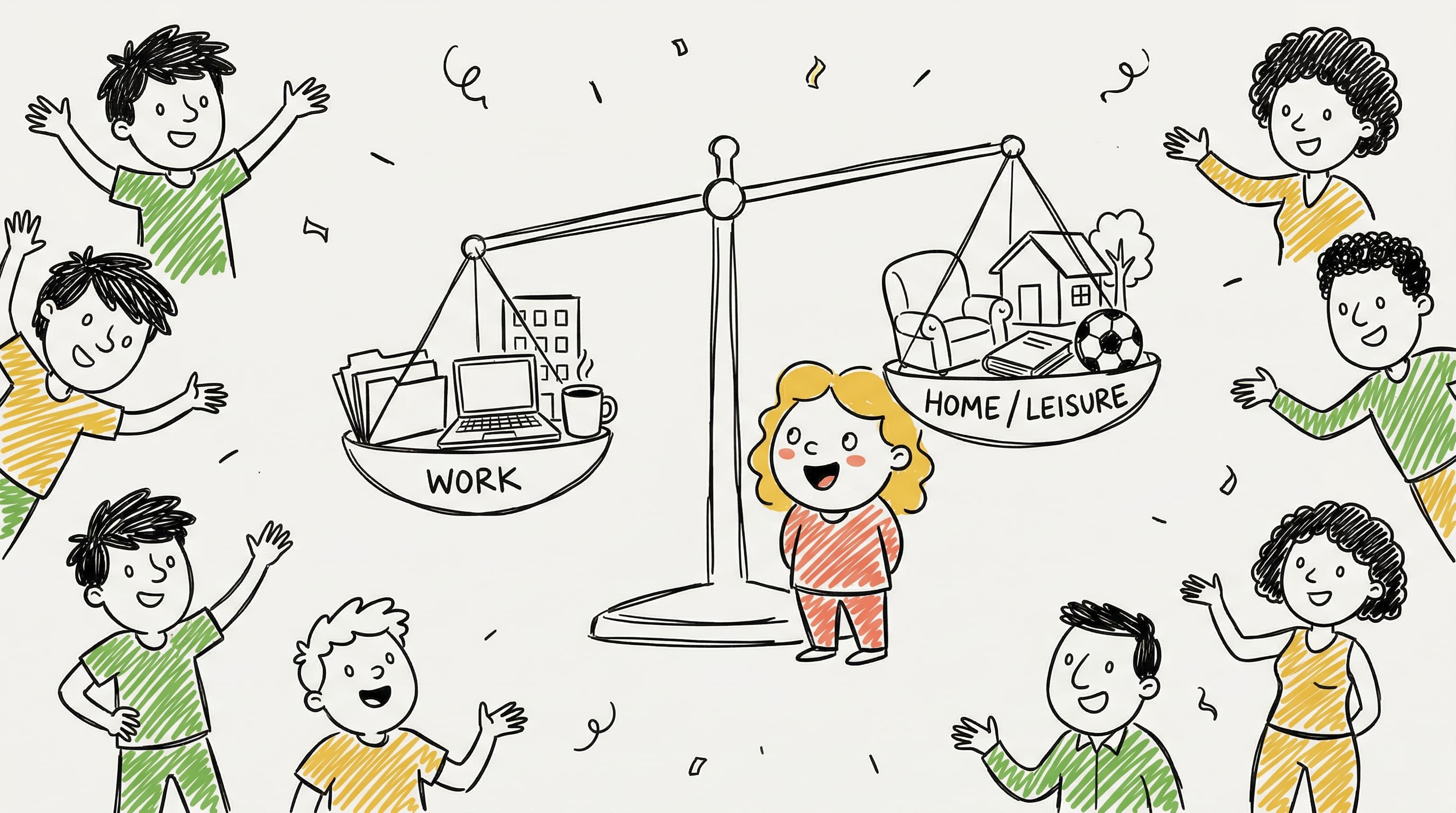
Where you spend your time shows what you prioritize. If your calendar is 100% work, something's off.
Calendar boundaries are a tool for intentional living.
The Problem
In the always-connected era:
- •Work expands to fill available time
- •"Quick call" invites arrive at 7pm
- •Weekends get scheduled over
- •Personal commitments get deprioritized
Your calendar won't protect you. You have to protect it.
Boundary-Setting Strategies
1. Define Your Work Hours
Pick clear start and end times. Block everything outside as unavailable.
Example:
- •Available: 9am-6pm weekdays
- •Personal: Before 9am, after 6pm, weekends
2. Calendar Blocking
Schedule personal commitments like meetings:
- •Gym time
- •Family dinner
- •Hobbies
- •"No meetings" blocks
If it's on the calendar, it's real.
3. Use "Busy" Strategically
Mark personal blocks as "Busy" rather than detailing your activities. You don't owe explanations.
4. Set Calendar Visibility
In Google Calendar:
- •Working Hours setting
- •Out of Office events
- •Different calendars for work/personal
5. Communication Settings
- •Auto-decline meetings outside work hours
- •Status messages ("Focus time until 2pm")
- •Slack/Teams do not disturb settings
Having the Conversation
When colleagues push back:
- •"I have a commitment at that time. Can we find an alternative?"
- •"My work hours are X-Y. I'm happy to meet during those times."
- •"I don't schedule meetings on Fridays after 3pm."
Be consistent. Boundaries only work if you enforce them.
For Managers
Model good boundaries:
- •Don't send late-night emails
- •Respect your team's blocked time
- •Explicitly encourage boundaries
- •Check your own calendar first
The Mental Shift
From: "I have to be available"
To: "I'm more effective with boundaries"
Research shows:
- •Rest improves creativity
- •Boundaries reduce burnout
- •Personal time increases work satisfaction
You're not being less committed. You're being sustainable.
Building New Habits
This Week
- •Block one personal commitment
- •Decline one non-essential meeting
- •Set a firm end time for one day
This Month
- •Establish recurring personal blocks
- •Communicate your boundaries once
- •Notice how it feels
Ongoing
- •Quarterly calendar audit
- •Adjust boundaries as life changes
- •Protect what matters
Before you act on this advice
- Define non-negotiable personal time blocks before work fills the space.
- Use working hours, busy blocks, and do-not-disturb settings consistently.
- Communicate boundaries in simple language instead of over-explaining them.
Common traps to avoid
- People often set boundaries privately but never express them clearly, then feel frustrated when others cannot read the signals.
- Blocking personal time once is easy; protecting it repeatedly is where the real habit has to form.
- Managers who ignore their own calendar hygiene make it much harder for their team to sustain healthy boundaries.
Best next step
Choose one recurring personal block you want to protect and put it on the calendar for the next month today. Boundaries become believable when they are visible and repeatedly enforced.
Why you can trust this page
Productivity pieces focus on scheduling as an operational habit: protecting calendar time, reducing coordination overhead, and making recurring planning easier to repeat.
Public guides on WhenWorks are tied to the product and support context behind the site. We explain our editorial process publicly so readers can judge whether the page feels complete and trustworthy for their use case.
Want the policy context behind this article? Review our editorial standards or contact the team.
Questions people usually ask
Is it okay to decline meetings for personal commitments?
Yes. You do not need a dramatic reason for every decline. If the time is protected and the meeting is not truly urgent, offering an alternative is usually enough.
Should managers talk openly about calendar boundaries?
They should. Teams follow the norms that leaders model, so visible boundary-setting from managers makes it safer for everyone else to use the same practices.